How suicides are reported can influence the triggering of more. Allow me to explain…
What happened?
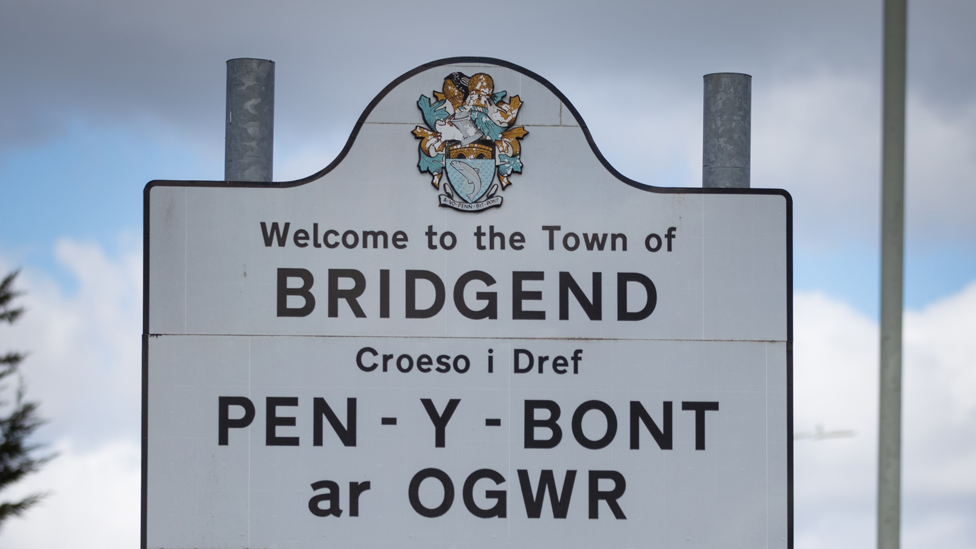
Silent shockwaves rippled out from the small town of Bridgend, in South Wales, spreading throughout the UK. Between 27th December 2007 and 19th February 2008 there was a cluster of 10 lives taken by suicide in Bridgend and the surrounding area of young people aged between 15 and 34 years. For perspective, that comes from a population of just 130,000 people.
Newspapers lapped up the story. There were at least 577 UK-based newspaper reports, with virtually every major UK newspaper covering it. Around 40% of these 577 came from regional newspapers, and around 60% from nationwide ones. It also attracted attention from international outlets, such as CNN.
Following the initiation of the reporting on 17th of January 2008, and as more reports went out, there were a further 15 days that saw one or more suicides in the same area in the following 80 days.
This made the Bridgend cluster an important study for how poor quality reporting can encourage higher suicide rates. While there is no consensus that the reports directly caused the secondary suicide cluster, researchers such as Ann John and colleagues found widespread departures from ethical reporting guidelines.
So, can newspapers encourage suicide (the Werther effect)?
In medical literature, the idea that media reporting on suicides may encourage suicide imitation dates as far back as the 1800s, while the first evidence of the imitation effect following broad publication of suicide stories in the media dates back to 1974 thanks to the American sociologist Phillips.
He coined the term “Werther effect” to describe the phenomenon, which comes from the novel The Sorrows of Young Werther, written by Johann Wolfgang von Goethe, and published in 1774.
In the story, the main character dies by suicide after a painful, unrequited love. Shortly after publication, vulnerable young men across Europe began to imitate the character by using the same methods and even wearing similar clothes, leading several regions to ban the book altogether.
The impact of the media on subsequent suicides has been explained by the identification theory. Basically, there’s “horizontal identification”, which says that individuals identify more strongly with suicidal persons who share their demographic characteristics, such as gender and age.
And there is also “vertical identification” which argues that individuals mimic the behaviours of people who are famous, popular, admired, or perceived as socially superior, such as celebrities.
No-one is saying that this media reporting of the Bridgend suicides was the sole cause, or even the main cause of the suicides that followed. But, given the statistics, one might infer that the media reporting may have had some influence in these tragedies. Which leads us nicely to the next section.
What can we do about it (the Papageno effect)?
The good news is that it doesn’t need to be this way, and done right, suicide reporting can have the Papageno effect. Under certain conditions, exposure to accounts of suicidal behaviour in the media can have a preventive effect, especially when the media present constructive coping strategies or other solutions to bad circumstances.
This phenomenon was coined the “Papageno effect” by the researcher Niederkrotenthaler and colleagues. The term is a tribute to a character by the same name from Mozart’s opera The Magic Flute (first performed in 1791) who overcame his suicidal crisis after a talk with three boys.
Which is more common: Werther or Papageno?
An investigation by Jan Domaradzki published in The International Journal of Environmental Research and Public Health looked at over 100 studies examining this very question. The Werther effect was the biggest, with 69 out of 122 studies showing an overall Werther effect. But much like the infamous Pandora’s box, there were also some that demonstrated the Papageno, and a reduction in suicide rates.
16 of the studies showed no effect, and 9 of studies showed mixed results. Thus, the media can be somewhat of a double-edged sword and serve both as a risk factor and a protective factor.
What did the Bridgend suicide cluster teach us about responsible media reporting?
A more recent study published in the British Medical Journal in 2020 found that general reporting about suicide is highly variable, suggesting that the content and style of reporting matter much more than merely mentioning suicide.
Bridgend fits this pattern. Researchers generally agree that some aspects of the reporting were likely unhelpful and may have increased risk and that the reporting quality was poor by today’s standards. But of course, attributing the secondary cluster primarily to media coverage would go beyond what the evidence actually supports.
Those researching whether the media reporting negatively impacted suicide rates in Bridgend and the surrounding area, found widespread departures from ethical suicide reporting guidelines. For instance, they found that:
- around one in seven articles included the suicide method in the headline;
- 47% referred repeatedly to earlier suicides, reinforcing the idea of a cluster;
- 44% used language that reporting guidelines recommend avoiding;
- only 13% provided information about sources of support or advice.
The authors of the study concluded that the reporting was often sensationalist and that this occurred at precisely the time when responsible reporting was most needed.
The Bridgend suicide media reporting became a case study for journalism schools and suicide prevention researchers. The media coverage was criticised for:
- repeatedly describing Bridgend as a “suicide town” or similar labels,
- searching for a single dramatic explanation,
- speculating about internet “cults” or social media without strong evidence,
- focusing on sensational details rather than prevention or recovery.
These critiques have informed later editions of UK suicide reporting guidance, including the guidance produced by the non-profit Samaritans.
What are the best practises for suicide reporting?
This section is based on UK communication guidelines published by the Samaritans.
What shouldn’t you do in suicide reporting?
- Avoid details of suicide methods (especially in the headline), as this may encourage online research of methods.
- Avoid using dramatic images. Including images of people increases the likelihood of others identifying with them, which can encourage imitation.
- Avoid the clichéd ‘head in hands’ portrayal of emotional distress as these can be stigmatising and unhelpful.
- Avoid using dramatic language, as this can also romanticise or sensationalise suicidal behaviour. For example, avoid using the following phrases:
- Suicide victim
- Cry for help
- Suicide epidemic/wave/spike
- Suicide hotspot
What should you do in suicide reporting?
- It is really important to instil hope, and portraying better alternatives to suicide should take up a substantial element of the communication.
- Aim for balanced messaging that encourages behavioural change, such as breaking social isolation and instead speaking with others.
- Bear in mind that suicide rates in a single year may deviate from an overall trend, so it is advisable to look at timeframes of at least three or more years to identify significant patterns. (Alarmist reports can have the effect of normalising or exaggerating the prevalence of suicide.)
- Aim for neutral or positive images, for example showing people engaging in conversation and supporting each other. (Such images can also highlight that it’s not always obvious who may be struggling with suicidal thoughts.).
- Use safe and sensitive language. For example, you can use the following phrases:
- Taken/ended his/her/their own life
- Die by/death by suicide
- Suicide attempt
- Person at risk of suicide
- When calling for change relating to a single factor in suicidal behaviour (unemployment for example) be mindful to present the issue as just one risk factor about the broader context of your story. (This can give balance to the messaging, and help maintain hope for those who are affected by the issue you’re raising.)
(See how this contrasts with the phrases to avoid as mentioned earlier)
- Help readers feel empowered by suggesting that they can prevent suicidal emotions and behaviour by checking in on people they know.
- When communicating about suicide, it is essential to provide effective signposting, or in other words, provide information about what organisations people can contact for help, along with how to contact them. Highlight a range of different services, including 24-hour helplines and 24-hour online support services, your doctor, self-help apps, counselling services, any local organisations, and of course highlight the support of
friends and family.
What about talking about suicide on social media?
When the first and second cluster of suicides took place in and around Bridgend, this was when social media was the big thing it has since become. For instance, there was no Instagram or TikTok, and Facebook was just about still at its early stages and hadn’t even spread enough to warrant advertising on the platform. But we can all imagine how much worse the Werther effect may have been if Facebook posts about the suicide clusters had gone viral.
Today, however, many groups have taken to social media with their suicide prevention campaigns. This is a good thing when done right because it can increase a more positive attitude in the audience and bring about the Papageno effect. It can encourage hope, reaching out and honest conversation. As well as simultaneously reducing the stigma around suicidal feelings.
(According the Office for National Statistics in the UK, suicide rates among young people have increased in some countries during the era of social media, but the evidence does not show that social media alone caused the increase.)
If using social media, such as a Facebook group to talk about suicide, please follow all of the guidance provided in the previous section. (This won’t be repeated here for the sake of brevity.) However, due to the nature of social media, you may need to take some additional steps. For example:
- Have an admin (administrator) for the group. This should be a well-meaning person who is mindful of suicide communication best practice so that they can choose which posts are OK to go public. This can ensure, for example, that posts describing how to end your life never go public.
- Having an admin is also important for monitoring for nasty comments on posts, so that if someone starts trolling or being malicious, then this can be nipped in the bud and deleted as soon as possible.
- Remember that people can use social media around the clock, so you may need admins to take turns, ideally covering the full 24 hours of the day whenever at all possible.
Where can we signpost those in need?
Support is always available.
| Country | Organisation |
| UK & Ireland | Samaritans |
| United States & Canada | 988 Suicide & Crisis Lifeline |
| Australia | Lifeline Australia |
| New Zealand | 1737 Need to Talk? |
Readers in other countries can find local support through FindaHelpline
What questions are we left with?
Unfortunately, the only studies I found centred around such questions as:
- Was there a statistically identifiable suicide cluster?
- Did newspapers follow reporting guidelines?
- Did the reporting become sensationalist?
- Did the articles include information about help and support?
What none of these studies address is any change in the rates of suicide attempts and self-harm following this media coverage. The evidence for suicide attempts is generally less extensive and less consistent than for deaths for various reasons. For instance,
- Many never come to medical attention,
- Recording practices vary between hospitals,
- Not every act of self-harm represents a suicide attempt,
- And linking changes in attempts to media coverage is just plain difficult to do.
Surprisingly, there is also very little published evidence on whether the Bridgend media coverage was associated with increased use of mental health services or help-seeking.
The questions we might take forward from here are:
- How does responsible reporting influence the entire spectrum of suicidal behaviour, from distress and help-seeking through to suicide attempts and deaths?
- Did the Bridgend media coverage increase help-seeking as well as concern?
What can we conclude?
Ethics above all.
If this article has raised difficult feelings for you: Support is available. If you’re in the UK or Ireland, you can contact Samaritans. If you’re elsewhere, FindaHelpline can help you locate a crisis or emotional support service in your country. If you believe you or someone else is in immediate danger, contact your local emergency services.
Please follow me on Puzzle Pizza for more pieces of puzzles!


Leave a Reply